After the Applause — Hidden Risk in Purpose-Built Rental Delivery
In purpose-built rental (PBR) development, the industry has become highly skilled at getting projects to the starting line. Capital is structured, approvals are secured, pro formas are tested and ground is broken with confidence. The visible milestones — financial close, construction start, tower topping — often create a sense that the hardest work is behind us.

The Clock Is Already Running — Understanding Tarion’s New 45-Day Rule
Tarion just put a clock on your buyers. Starting next year, freehold purchasers have 45 days to register for full deposit protection. Miss it, and they’re shuffled into a tighter safety net with stricter limits. Translation? Small form, firm deadline, big consequences.
When Occupancy Doesn’t Go to Plan — What Delayed Closings Teach Us
Occupancy is the moment of truth. You’ve promised a date, buyers have circled calendars, and expectations are sky-high. But across Ontario, too many projects are stumbling and the fallout is reputational scars, regulatory heat, and legal exposure. Let’s unpack what’s driving the complaints, where builders are slipping, and how a tighter occupancy process can protect both your projects and your brand.

Clauses That Bite Back — The APS Is Worth a Second Look
Small oversights in Agreements of Purchase and Sale routinely become flashpoints for disputes — and the reputational and financial costs almost always outweigh the effort of prevention.

The First Walkthrough — Why the PDI Still Sets the Tone
For most developers, occupancy is when the spotlight burns hottest. Buyers are walking into a space they’ve been waiting months — often years — to call their own. The PDI is their first unfiltered impression of your work. And in Ontario, that impression now matters more than ever.
The Dates That Matter — Keeping Projects on Track Before Occupancy
Critical dates aren’t glamorous, but they’re unforgiving. Buyers mark their calendars, lawyers track them, and Tarion enforces them. Yet, too many developers stumble here — misnotifying, missing, or mishandling milestones. The fallout is bigger than paperwork: it creates panic among purchasers, opens the door to regulatory challenges, and leaves lasting reputational bruises.

Beyond the Punch List — Building a Better Deficiency Process
Relying on clipboards, green tape and ad-hoc fixes is costing developers time, money, and trust. Forward-thinking developers are shifting to digital platforms that log, track, and resolve deficiencies with speed and transparency.
More Than Project Updates — Building Better Homeowner Communication
In development, communication is often an afterthought. Notices are drafted in legalese, updates are inconsistent, and too often silence fills the gaps. The result? Buyers feel ignored, sales teams get bombarded with calls, and reputations take a hit. But expectations have changed.

Tarion in Transition — Looking Beyond the Regulatory Changes
Tarion’s transition isn’t a burden — it’s a wake-up call. With new protections for freehold buyers and sharper oversight across projects, developers must rethink how compliance, communication, and quality assurance fit into their process. Ignoring the changes risks fines, disputes, and reputational harm. But smart developers see opportunity

The Occupancy Equation — Why the Best Occupancies Are Planned, Not Managed
Every developer knows the list: weather delays, labour strikes, permitting slowdowns. These are external forces — frustrating, inevitable, and often beyond your control. But here’s the truth: it’s not the delay itself that bruises reputations, it’s how the delay is managed. Buyers don’t expect miracles, but they do expect honesty, clarity, and a plan.

The Handyman Advantage — Small Teams, Faster Solutions
Enter the handyman team: nimble, multi-skilled crews who can handle small but high-volume deficiencies immediately. From caulking touch-ups to door adjustments and fixture installs, handyman teams absorb the friction that slows larger projects down.
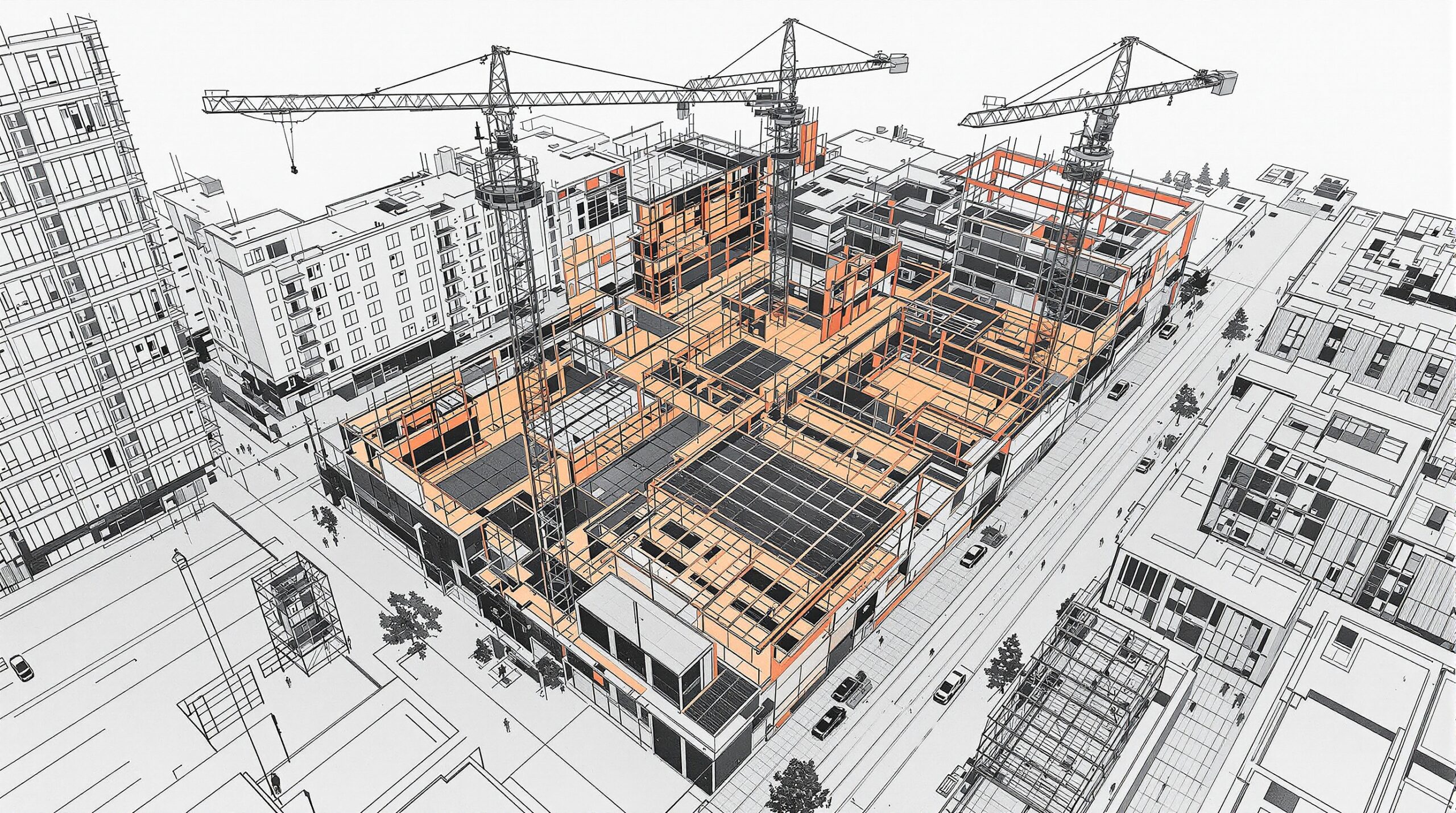
Regulator Radar — Staying Ahead of HCRA and Tarion in 2026
Ontario’s development industry is shaped as much by regulation as by construction. Tarion continues to evolve warranty enforcement, while the Home Construction Regulatory Authority (HCRA) is sharpening its focus on transparency, builder conduct, and consumer protection. For developers, this is more than a compliance checklist — it’s a reputational minefield and an opportunity rolled into one.

The Warranty Squeeze — Protecting margin before the ground breaks
Ontario pre-construction is operating in a tighter triangle: higher carrying costs, cautious lenders, and buyers price-sensing every dollar. If warranty/consumer-protection fees and security instruments ratchet up—even modestly—the hit isn’t only margin; it’s cash-flow timing.