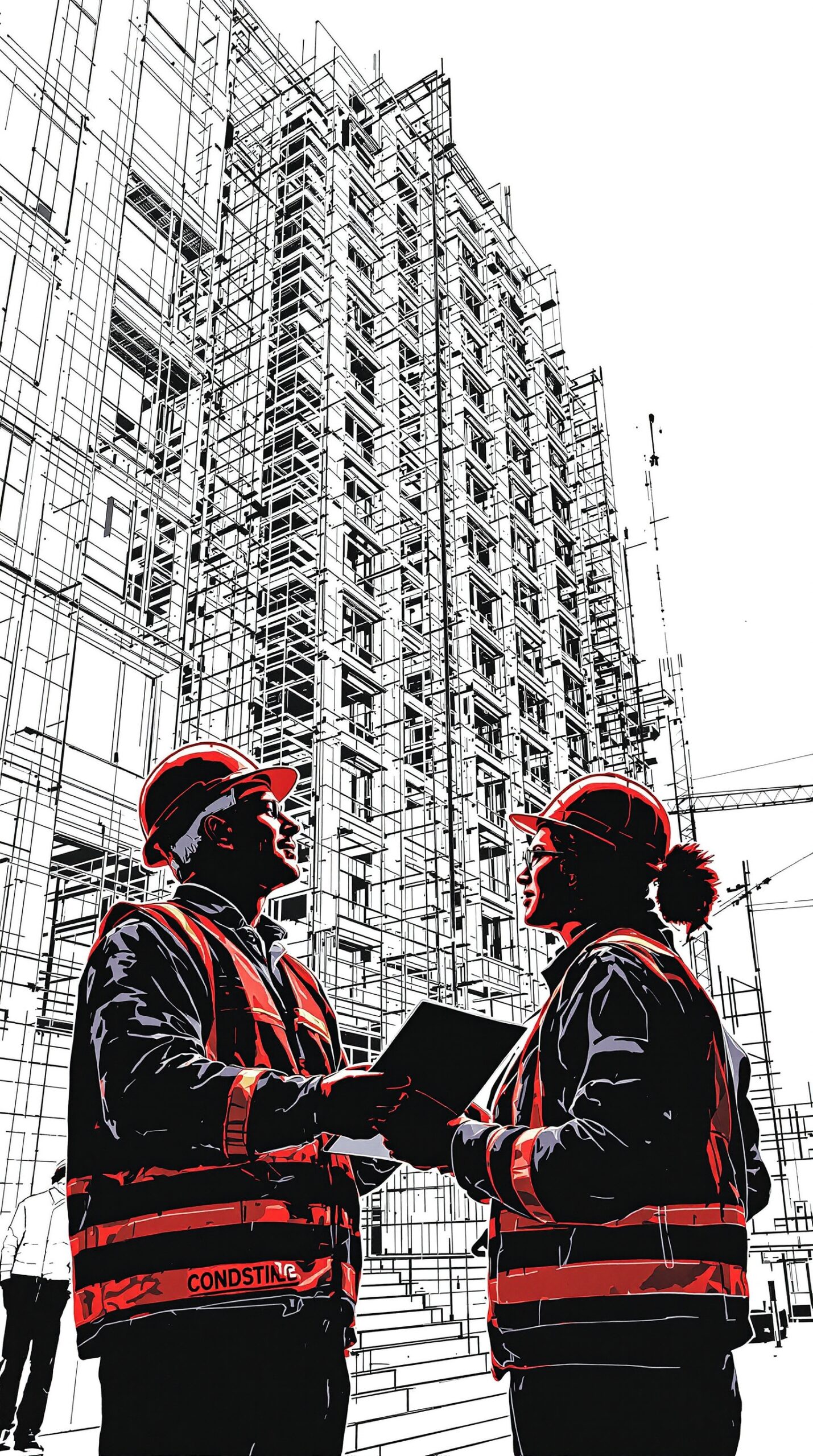
In purpose-built rental (PBR) development, the industry has become highly skilled at getting projects to the starting line. Capital is structured, approvals are secured, pro formas are tested, and ground is broken with confidence. The visible milestones — financial close, construction start, tower topping — create a powerful sense of momentum. To many observers, these moments suggest that the hardest work is behind the project.
In reality, the greatest risk often begins after the applause fades.
Unlike condominium development, where outcomes crystallize quickly through sales and closeout, purpose-built rentals unfold across longer timelines and narrower margins for drift. Over multi-year delivery cycles, small deviations — a sequencing compromise, a governance shortcut, a reporting assumption left untested, a minor delay absorbed without adjustment — rarely appear material in isolation. Yet over time, these minor variances compound. What begins as manageable flexibility can quietly translate into cost pressure, schedule erosion, lease-up friction, or long-term operating underperformance that persists well beyond construction.
A recognizable pattern emerges across many rental developments. During financing and approvals, reporting is disciplined, evidence-based, and closely scrutinized. As construction stabilizes, reporting can gradually shift from measurable indicators toward narrative reassurance. This is rarely intentional. It reflects experienced teams solving problems in real time, absorbing variability, and relying on judgment. But narrative cannot substitute for signal. In long-duration projects, small unverified assumptions — leasing velocity, phasing logic, procurement timing, change discipline, labour stacking — often become the hidden drivers of ultimate performance.
Another subtle dynamic is the slow separation between project delivery and asset outcomes. Decisions that appear operational during construction — sequencing adjustments, material substitutions, schedule compression, or deferred scope — can later influence maintenance burden, tenant experience, operating efficiency, and net operating income. The project may finish, but the asset continues to absorb the consequences of earlier delivery decisions.
The most sophisticated rental developers are increasingly recognizing that delivery discipline is not merely a construction function. It is an asset protection function. Clear governance, decision transparency, and early identification of delivery risk consistently prove more predictive of stable outcomes than construction speed alone. When decision pathways are clear and deviations are surfaced early, projects retain flexibility. When they are not, risk tends to crystallize late — when options are fewer, corrections are costlier, and impacts are more enduring.
Purpose-built rental projects succeed not only because they are well financed or well designed, but because they remain well governed throughout execution. The industry has largely solved how to start these projects. The emerging differentiator is how consistently outcomes are protected during delivery — month by month, decision by decision, signal by signal.
In purpose-built rentals, success is not decided at groundbreaking. It is preserved — quietly, steadily, and deliberately — in the disciplined years that follow.
From Commitment to Continuity: How Indigenous Project Outcomes Are Truly Secured
Across Indigenous-led and Indigenous-partnered projects, much of the visible work occurs early. Agreements are negotiated, consultation is undertaken, environmental and cultural commitments are defined, and partnerships are announced. These milestones are meaningful and often hard-won. They reflect alignment, trust, and shared intent developed over time through dialogue, respect, and negotiation.
Yet across many major projects, the true test does not occur at the signing table. It unfolds later — in the long, complex period between commitment and lived reality, where intentions must endure through changing conditions, evolving priorities, and the practical realities of delivery.
Indigenous projects operate within layered governance environments shaped by history, law, community expectations, and partnership structures. Nation leadership, project partners, regulators, funders, and communities each hold legitimate authority. These projects often carry responsibilities that extend beyond delivery — including environmental stewardship, cultural continuity, intergenerational benefit, and community trust. In this setting, delivery risk is rarely technical. It most often emerges from something quieter: unclear roles, fragmented documentation, leadership transitions, evolving project conditions, and the gradual separation between what was promised and what can be clearly demonstrated.
This gap is seldom created by bad intent. It is created by complexity, time, and the cumulative weight of decisions made under pressure.
As projects move from planning into execution, decision velocity increases. Field realities shift, funding and regulatory contexts evolve, and trade-offs become unavoidable. When governance pathways are clear and commitments are tracked with discipline, projects maintain continuity even as circumstances change. When they are not, small disconnects accumulate — a reporting ambiguity, a delayed escalation, a commitment tracked informally, a decision made without full documentation — until confidence begins to erode across one or more parties.
The strongest Indigenous projects are increasingly defined by clarity of record and transparency of follow-through. Communities seek visible confirmation that commitments are real, active, and measurable. Partners require confidence that governance decisions remain stable, respectful, and defensible. Capital and institutions seek assurance that risk is understood, communicated early, and managed responsibly. Though their perspectives differ, all are seeking continuity between words and actions over the life of the project.
Independent oversight in this context is not about control or intervention. It is about coherence and continuity. It helps preserve intent as projects navigate real-world complexity. It ensures commitments remain traceable, decisions remain transparent, and reporting reflects lived conditions rather than optimistic narrative. It also provides stability across leadership cycles, project phases, and changing delivery environments — strengthening trust through clarity rather than authority.
Across Indigenous-led and Indigenous-partnered development, success is not defined solely by agreements reached or milestones announced. It is defined by whether commitments endure — clearly, consistently, and credibly — through execution, and whether the record of the project demonstrates alignment between governance, delivery, and Nation-defined priorities.
True success lies not only in what is promised, but in what remains visible, honoured and real over time.